Alternative Methods to Animal Testing in Cosmetics: The Next Scientific Frontier
Global regulations increasingly restrict or ban animal testing for cosmetic products, making alternative testing methods not only an ethical choice but a regulatory requirement. These approaches allow brands to evaluate safety and efficacy without compromising scientific rigor.
Alternative methods include in vitro assays, computational models (in silico), and advanced organ-on-chip systems, providing reliable, reproducible, and ethically responsible results.
Global Ban on Animal Testing and Its Implications
The EU Cosmetics Regulation and similar legislation in many countries prohibit animal testing for finished cosmetic products and ingredients. Brands must adopt validated alternative methods to ensure:
- Consumer safety.
- Compliance with international regulations.
- Credible substantiation of efficacy and safety claims.
The Rise of Alternative Testing Technologies
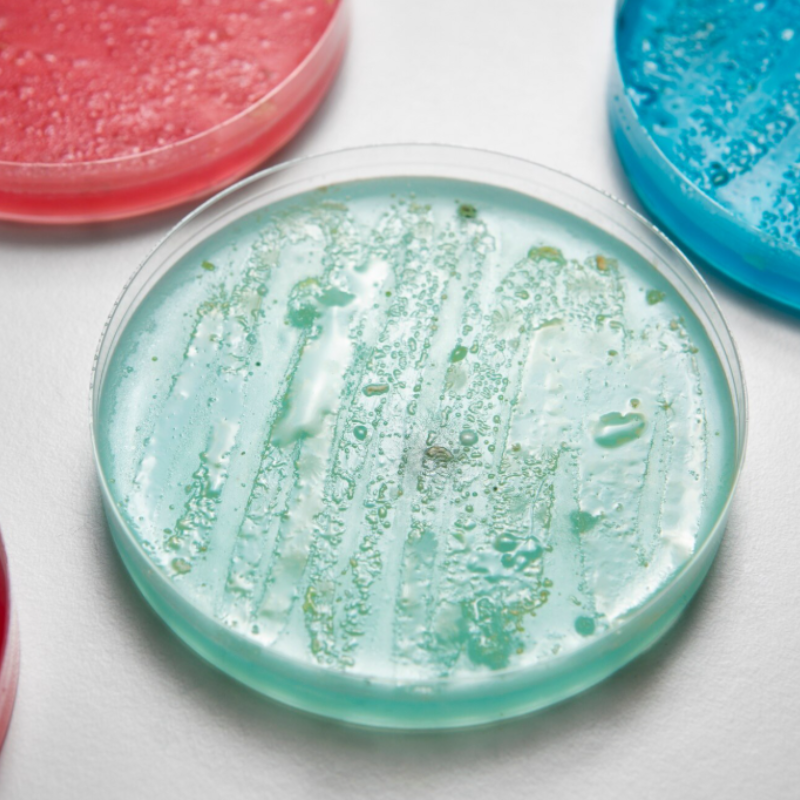
In vitro and 3D skin models: These simulate human skin and allow testing of irritation, sensitization, and efficacy.
In silico and AI-driven predictions: Computational methods predict chemical toxicity, interactions, and potential risks.
Organ-on-chip systems: Microfluidic devices mimic human tissue functions and responses in real time, bridging the gap between traditional lab testing and human physiology.
Regulatory Acceptance and Scientific Validation
Alternative methods must be scientifically validated to ensure regulatory acceptance. Agencies such as OECD, ECVAM, and ISO provide guidelines for validated in vitro and computational models.
Skinobs connects brands with laboratories specialized in alternative testing, providing access to validated protocols and expert interpretation. Using the platform ensures that testing is not only ethical but also fully compliant with global regulations.
Integrating Alternative Methods in Product Development
Integrating alternative testing early in development supports:
- Safety and efficacy assessment.
- Claim substantiation.
- Faster time-to-market with reduced costs.
Brands can combine in vitro, in silico, and organ-on-chip methods to form a weight-of-evidence approach, providing robust scientific support without animal use.
By leveraging Skinobs, R&D teams gain a single point of access to the most innovative and validated alternative testing technologies, making compliance and product development more efficient.
Future Perspectives
The future of alternative methods includes:
- High-throughput screening for rapid safety evaluation.
- Integration with omics and AI technologies for predictive toxicology.
- Personalized models tailored to specific skin types or populations.
Brands that invest in alternative testing today position themselves as leaders in cruelty-free innovation, combining scientific credibility, regulatory compliance, and consumer trust.