
By Hannah Robbins
Senescent skin cells, often referred to as zombie cells because they have outlived their usefulness without ever quite dying, have existed in the human body as a seeming paradox, causing inflammation and promoting diseases like cancer while also helping the immune system to heal wounds.
New findings may explain why: Not all senescent skin cells are the same.
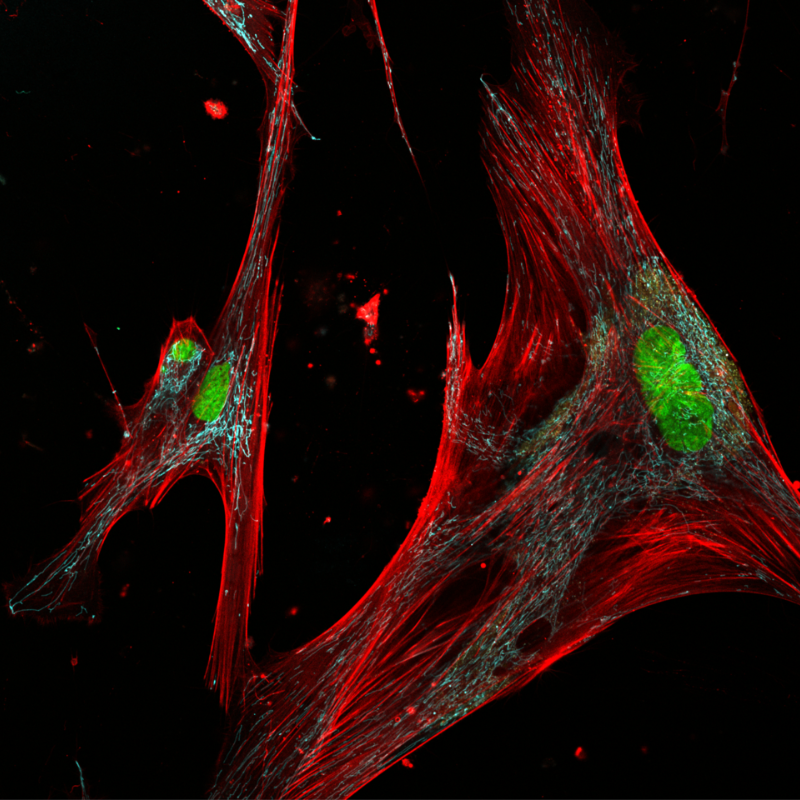
Researchers from Johns Hopkins University have identified three subtypes of senescent skin cells with distinct shapes, biomarkers, and functions—an advance that could equip scientists with the ability to target and kill the harmful types while leaving the helpful ones intact.
The findings were published today in the journal Science Advances.
“We’ve known that senescent skin cells are different from senescent immune cells or senescent muscle cells. But within a cell type, senescent cells are often considered the same—in essence, skin cells are either senescent or not, for example,” said Jude Phillip, an assistant professor of biomedical engineering at Johns Hopkins University. “But we’re finding that when a skin cell goes into senescence, or a zombie-like state, the cell could go down one of three different paths, each leading to a slightly different subtype.”