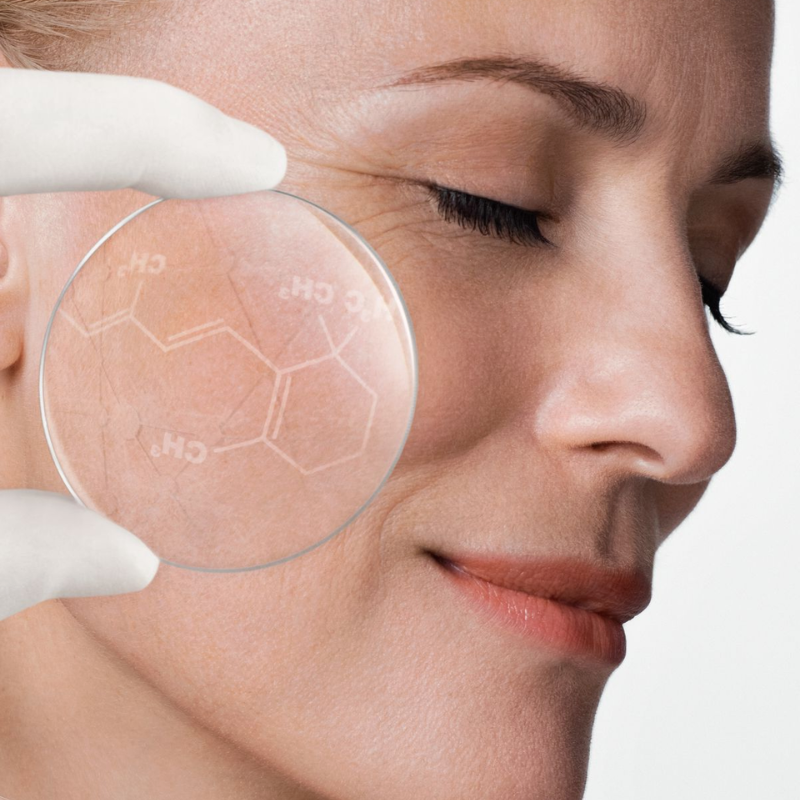

In the scientific landscape of 2026, the cosmetic industry has reached a definitive consensus: skin health is no longer a localized phenomenon but a complex intersection of environmental, physiological, and psychological factors. This holistic framework, centered on the Exposome, has fundamentally transformed clinical evaluation. We have moved beyond measuring simple protection against pollutants to a deeper understanding of how the skin-brain axis, microbial equilibrium, and climatic variables dictate cutaneous resilience and aging. The biological and environmental determinants of skin appearance are influenced by both intrinsic factors (genetics, skin structure, pigmentation patterns, vascularization) and extrinsic factors including sun exposure, pollution, nutrition, stress, and lifestyle habits.
The Molecular Impact of the Urban Cocktail
Recent research has deepened our understanding of the “cocktail effect,” where the synergy between Particulate Matter (PM), Ozone (O3), and Full-Spectrum radiation (UV, Blue Light, and Infrared) creates a far more aggressive oxidative profile than isolated pollutants. This interaction triggers the activation of the Aryl Hydrocarbon Receptor (AhR), a key biological sensor that, when overstimulated, leads to the upregulation of cytochrome P450 enzymes and the subsequent release of pro-inflammatory cytokines.
The clinical consequences of this molecular cascade are now precisely mapped across two distinct timelines:
- Short-term effects: These manifest as an immediate increase in toxins, barrier function disorders, and a decrease in skin resistance to UV. Clinically, we observe shifts in pH, protein and lipid oxidation, DNA oxidation, and pore occlusions. Physiologically, this often results in a lower rate of hydration and an increase in sebum production.
- Long-term effects: Cumulative exposure leads to structural degradation, including the breakdown of collagen and elastin through matrix metalloproteinase (MMP) activity. The visible results are wrinkles, sagging, persistent age spots, acne, sagging, and chronic sensitivity.
Associated Claims: Bridging Science and Marketing
For brands in 2026, “anti-pollution” has evolved into a sophisticated hierarchy of claims designed to resonate with urban consumers. These claims are backed by rigorous curative and preventive testing:
- Skin Detox & Purification: Claims like “Cleansing,” “Purifying,” or “Oxygenizing” target the removal of toxins and the restoration of cellular respiration.
- Rebalancing & Repair: These focus on “Soothing,” “Nourishing,” and “Sebo-regulation.” They aim to restore the complexion and microcirculation while fighting the “sagging” induced by environmental stress.
- Full-Spectrum Protection: The preventive pillar includes claims such as “Anti-Free Radical,” “Anti-Blue Light,” “Barrier Integrity,” “Glow & radiance” and “Anti-Spot.”
Today, one of the most powerful marketing drivers is Skin Radiance. Pollution is now clinically recognized as a “glow-killer” particulate matter and carbon monoxide don’t just sit on the surface; they induce a state of “cutaneous hypoxia” by reducing the skin’s oxygenation levels. This leads to a slowdown in cellular turnover, causing an accumulation of dead, oxidized cells that scatter light instead of reflecting it. Consequently, the skin appears dull, sallow (yellowness), and physically rough.
Depending of skin type, skin radiance is governed by complex optical interactions, absorption, scattering, and reflection, within cutaneous structures. Dermal-epidermal parameters, including collagen organization, melanin distribution, and surface topography, dictate light behavior. Pathological or physiological alterations, such as uneven pigmentation or structural roughness, impair homogeneity, thereby diminishing perceived luminosity and inducing a dull complexion.
To substantiate claims like “Urban Glow Recovery” or “Anti-Dullness Shield,” laboratories now use a combination of optical and colorimetric measurements:
- Skin color by chromametry: The measure is easy, fast, reproducible, and well established in the cosmetics evaluation. Various instrumentations Mexameter MX 18, Colorimeter (C+K), SkinColorCatch, Chromameter, ViewSkin (Orion) and other Spectrophotometers can evaluate the color of the skin. Specifically measuring the “L” (lightness) and “b” (yellowness) values to quantify the reduction in sallow tones. The L* value is an indicator of skin brightness; however, the correlation is lowered in very bright skin tone.
- Goniophotometry: Using devices like the GonioLux, Glossymeter, SambaFace, Skin Transluency, SkinGlossMeter to measure the specular reflection of light, proving that the product smooths the micro-topography of the skin for a “glass-skin” effect.
- Transcutaneous Oxygenation (TcpO2): A high-tech metric used to back claims of “Oxygenating” or “Detoxifying” efficacy, showing an improvement in tissue vitality.
Clinical Methodologies: Standardized vs. In-Situ
To validate these multifaceted claims, two major testing approaches are utilized to substantiate the anti-pollution effect of Beauty routine:
- Standardized Polluted Environments: Using “Pollution Boxes” (developed by labs like CIDP, Complife, Ellead…, researchers recreate controlled conditions using UV, ozone, cigarette smoke, and particles. The precision in measuring these pollutants is key to the reproducibility of the results.
- In-Situ Urban Testing: Reserved for human testing, this model evaluates products in the “real world” of polluted cities, offering high consumer relevance by accounting for daily variations in humidity and atmospheric “smog.”
The 2026 Analytical Toolkit: Quantifying the Invisible
Modern evaluation relies on sophisticated sampling and visualization. Before chemical analysis, samples are collected via stripping, swabbing, scrubbing, or glass sticks. The analysis then follows specific pathways:
- Protection Performance: Visualization of PM deposits and heavy metal analysis (Lead, Iron, Chromium)
- Antioxidant Efficacy: Measuring lipidic peroxidation (SQ-OOH, MDA) and protein carbonylation.
- Detoxifying & Oxygenation: Measuring the transcutaneous partial pressure of oxygen
- Complexion & Radiance: Utilizing high-end imaging like to measure the “glass-skin” effect and uniformity.
- Structure & Visualization: Using LC-OCT, Multiphotonic, and Confocal Microscopy to quantify dermal changes and the integrity of the extracellular matrix.
Neurosensory Pathways and the Skin-Brain Axis
A major advancement in 2026 is the clinical integration of the skin-brain axis within the exposome framework. Scientific evidence now confirms that environmental stressors do not only cause physical damage but also activate neurosensory pathways that exacerbate skin sensitivity. Stress, both psychological and physiological, modulates the release of neuromediators that can weaken the skin barrier and increase cutaneous reactivity.
This has led to the emergence of “Neuro-cosmetic” testing. The scientific objectification of emotions relies on a holistic approach combining three fundamental pillars. The expressive component analyzes behavioral manifestations (facial, postural, vocal), while the physiological component measures variations in the autonomic nervous system via imaging or biometrology. Finally, the cognitive component apprehends the verbalizable subjective experience. To guarantee the reliability of the analyses, the design of protocols must imperatively conjugate these complementary methods according to the claim, the product, and the consumer profile.
Clinicians now use real-time monitoring of cortisol levels and heart rate variability alongside traditional metrics like hydration…By utilizing video-based AI analytics to track micro-expressions and sensory responses, CROs can quantify the soothing effect of a formula on a neurological level, offering a holistic validation of several claims.
Microbiome Equilibrium as a Shield of Resilience
The role of the skin microbiome has become a cornerstone of clinical resilience studies. Research indicates that a healthy microbial ecosystem acts as a living shield, metabolizing certain pollutants before they can penetrate the epidermis. However, prolonged exposure to urban pollution and UV radiation can lead to dysbiosis, favoring the growth of pathogenic species and accelerating conditions such as acne and sensitive skin syndromes.
Today, the gold standard for anti-pollution testing includes high-throughput sequencing to assess microbial diversity. Clinical trials now aim to prove that a product actively maintains the skin’s ecological balance. This “Microbiome-Positive” approach provides a measurable parameter for assessing a product’s ability to reinforce the skin’s natural defenses against the modern exposome, moving the industry toward a more regenerative model of skincare.
In vivo human testing gives a broader view of the microbiome, analysing microbes within their natural context and allowing longitudinal analysis. As the important intra-individual diversity of the cutaneous flora is also associated with a high level of inter-individual variability, study population and study design are of extreme importance. Sample collection methodologies include swabbing, tape stripping, scrubbing, biopsies and now a days companies are even proposing self-sampling at-home collection kits. The integration of multiple layers of biological analysis, including genomics, metabolomics and proteomics also known as multi-omics, provide a more comprehensive understanding of how products impact both the human body and its microbiome. To do so, the exploitation of metadata to perform bioinformatic/biostatistics analysis to delineate potential cause/association with sequencing results of great importance.
The Convergence of AI and Full-Spectrum Protection
The integration of Artificial Intelligence and advanced imaging has fundamentally transformed the speed and precision of clinical evaluation. The use of In Silico modeling and “Digital Twins” virtual representations of various skin phototype allows researchers to predict the safety and efficacy of complex ingredient combinations.
Furthermore, the scope of photoprotection has expanded to “Full-Spectrum” defense. Modern testing protocols must address the cumulative impact of the entire light spectrum, including high-energy visible (HEV) light and near-infrared (IRA) radiation. Advanced diagnostic tools like Line-field Confocal Optical Coherence Tomography (LC-OCT) and Raman spectroscopy allow for non-invasive, real-time visualization of these impacts, providing objective data on how a product preserves the skin structure across different climatic conditions.
As we navigate 2026, the clinical evaluation of anti-pollution claims has evolved from a technical requirement into a central strategic pillar of product development. The transition from “Anti-Pollution” to “Exposome Resilience” reflects a deeper, more holistic understanding of skin biology where environmental protection, microbiome balance, and neurosensory well-being converge. It is essential for investigators to collaborate closely with CROs to meticulously design protocols, define inclusion criteria, establish measurement timelines, treatment conditions, and select optimal devices. Investing time in briefing these essential elements is never wasted; it ensures the integrity and reliability of the study outcomes.
In an era of “skintellectual” consumers and stringent regulatory scrutiny, marketing narratives are no longer sufficient; they must be anchored in “Science you can see.” By leveraging high-tech diagnostic tools, from LC-OCT imaging to AI-driven radiance analysis, cosmetics brands can now provide transparent, quantifiable evidence that builds long-term consumer trust.
Ultimately, mastering the skin exposome is not just about shielding the surface; it is about preserving the skin’s biological capital and ensuring its long-term health in an ever-changing environment. For the modern formulator and the regulatory manager, success lies in this perfect synergy between cutting-edge objectification and the promise of visible, verifiable results.
Gen Z and the Digital Exposome: From Correction to Longevity
For the Gen Z cohort, the exposome is perceived as a lifelong accumulation of biological stressors that must be managed through early intervention. This generation has shifted the clinical focus toward “prejuvenation” and “skin-longevity,” where the goal is no longer to repair visible damage but to maintain the skin’s biological capital. Clinical evaluation for this demographic now centers heavily on the impact of the digital environment, specifically the chronic exposure to High-Energy Visible (HEV) light and its disruption of circadian rhythms. Modern protocols for Gen Z utilize wearable biosensors to track real-time environmental exposure alongside at-home microbiome sampling kits. This allows researchers to correlate urban pollution levels with immediate shifts in skin barrier function, moving toward a personalized model of “stress-proof” skincare that addresses the skin-brain axis and the psychological toll of a hyper-connected lifestyle.
Global Inclusivity: Decolonizing the Clinical Standard
The evolution of exposome research in 2026 has definitively moved past the “universal” skin model to embrace a truly inclusive methodology. Scientific consensus now acknowledges that environmental stressors like ozone and particulate matter interact differently across various skin phototypes, particularly regarding melanin distribution and inflammatory responses. In dark skin tones (Phototypes IV-VI), the urban cocktail acts as a primary trigger for post-inflammatory hyperpigmentation and chronic dullness, whereas in lighter phototypes, it primarily accelerates collagen degradation. To address this, clinical trials have expanded into global urban hubs to capture the reality of diverse populations. Modern instrumentation, such as multi-spectral spectrophotometry and LC-OCT, is now calibrated to provide unbiased data across the entire Fitzpatrick scale, ensuring that “urban glow” and “anti-spot” claims are biologically verified for every consumer, regardless of ethnic background.
The Hair and Scalp Exposome: The New Frontier of Resilience
The hair and scalp are now recognized as critical bio-indicators within the exposome framework, often showing the first signs of environmental fatigue. Because the scalp is more permeable and has a higher density of sebaceous glands than facial skin, it acts as a magnet for heavy metals and particulate matter, leading to “Scalp Hypoxia” and micro-inflammation. Research in 2026 shows that these pollutants do not merely sit on the surface but induce oxidative stress within the hair follicle itself, compromising keratin synthesis and leading to premature thinning or structural brittleness. Clinical evaluation now employs scanning electron microscopy to visualize particle adhesion on the cuticle and tensile strength testing to quantify the protective film-forming properties of new formulations. By treating the scalp as an extension of the skin’s ecosystem, the industry is moving toward “Scalp Shield” technologies that preserve both the microbial balance of the cranial skin and the structural integrity of the hair fiber.
Sources & References
- Cosmetics Design Europe (2025): What’s new in anti-pollution beauty? Mechanisms and market trends. Link
- Actas Dermo-Sifiliográficas (2025): Pollution: A Relevant Exposome Factor in Modern Dermatology. Link
- MDPI Cosmetics (2025): Advanced Methodologies for Assessing the Impact of Environmental Stressors on Skin Microbiome and Barrier Function. Link
- Modernization of Cosmetics Regulation Act (MoCRA): FDA Guidance on Safety Substantiation and Adverse Event Reporting (Updated 2026).
- 1 Choi, J., Han, J. Y., Lee, M. R., & Kim, E. J. (2021). Evaluation of perceived skin brightness in Asian women. IFSCC Magazine, 24(1), 15-20.
- Skinobs.com Clinical Testing Platform