
Modern trichology employs a multidimensional framework that integrates preclinical and clinical methodologies to characterize hair follicle biology, understand scalp pathophysiology, and validate cosmetic, nutraceutical, or therapeutic interventions. This approach enables the correlation of molecular and cellular processes with quantifiable clinical outcomes, enhancing diagnostic precision and treatment efficacy.
PRECLINICAL EVALUATIONS: IN VITRO AND EX VIVO MODELS
IN VITRO studies include cultures of keratinocytes, dermal fibroblasts, melanocytes, and dermal papilla cells, as well as isolated human hair follicles. These systems allow the assessment of:
- Inflammatory markers: IL-1β, IL-6, TNF-α, COX-2, among others
- Oxidative stress: ROS, SOD, catalase, glutathione peroxidase
- Gene expression: FGF7, IGF-1, BAX, BCL2, KRT1, KRT5, TYR, MITF
- Signaling pathways: Wnt/β-catenin, Shh, Notch — fundamental for follicular activation and regeneration
EX VIVO models use human scalp biopsies and follicles under controlled conditions to evaluate follicular viability, skin penetration, modulation of inflammatory and antioxidant pathways, as well as alterations in structural proteins and lipid profiles. Lipidomic analyses quantify ceramides, sphingolipids, and essential fatty acids, which are critical for sebaceous homeostasis and barrier integrity.
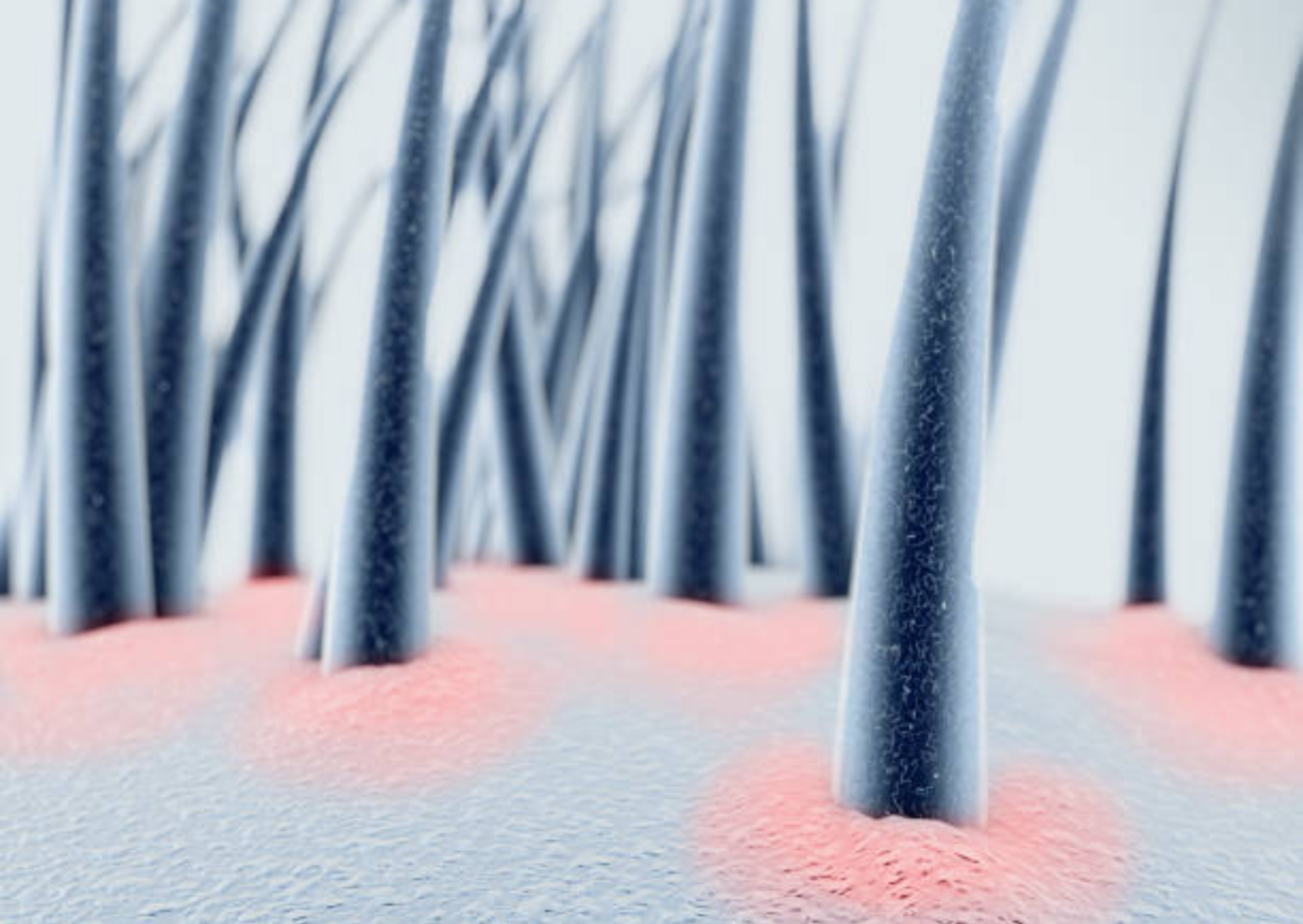
SCANNING ELECTRON MICROSCOPY (SEM) is an advanced preclinical tool essential for ultrastructural characterization. SEM enables micrometric and nanometric visualization to:
- Examine hair cuticle ultrastructure, including scale lifting, erosion, or compaction
- Assess surface morphology of the hair shaft and quantify structural damage from chemicals, UV radiation, friction, or pathology
- Evaluate the effect of active ingredients on cuticle repair, sealing, or cohesion
- Visualize cuticle–product interactions, such as polymer, conditioner, or nanoparticle deposition
- Correlate ultrastructural changes with biochemical markers of oxidative stress and barrier disruption
MICROBIOME ANALYSIS (16S rRNA)
Preclinical microbiome studies using co-cultures with Cutibacterium acnes, Staphylococcus epidermidis, and Malassezia spp. allow assessment of modulatory effects on dysbiosis, bacterial/fungal proliferation, biofilm formation, and the antimicrobial potential of active compounds.
CLINICAL EVALUATIONS
The clinical validation phase integrates imaging techniques, biomarkers, and quantitative scalp and hair assessments:
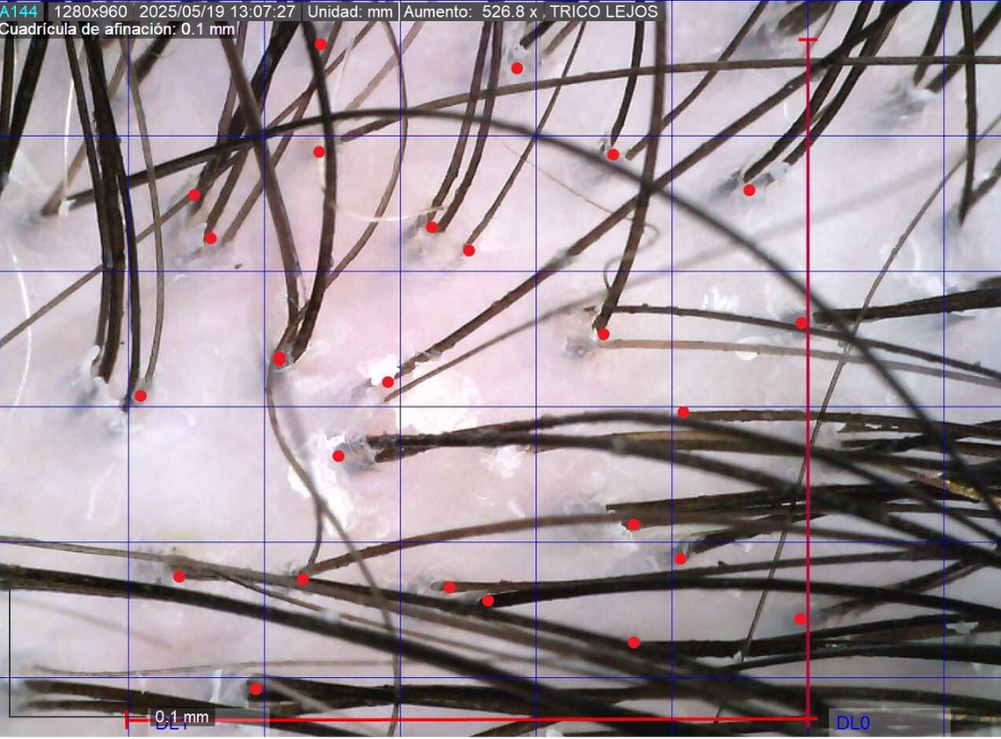
- Trichogram and trichoscopy: anagen/catagen/telogen ratios, density, shaft diameter, follicular morphology
- 2D/3D biometric imaging: hair density, thickness, tensile strength, growth rate
- In situ biomarkers: IL-1β, TNF-α, IL-6, ROS, and antioxidant enzymes using microdialysis or microbiopsies
- Lipid profile: ceramides, fatty acids, and surface sebum measured via sebumeter, GC-MS, or LC-MS
- Clinical Analysis microbiome: 16S rRNA and ITS sequencing for characterization of bacterial and fungal communities in conditions such as inflammation, dandruff, dysbiosis, and alopecia
- Functional parameters: TEWL, hydration, and local microcirculation via laser Doppler
- SEM in clinical studies: evaluation of real structural impact of cosmetic or therapeutic interventions on cuticle compaction, scale removal, thermal/chemical damage, and active ingredient deposition or retention

Preclinical and Clinical Integration
The integration of molecular, cellular, ultrastructural (SEM), and clinical data enables:
- Validation of mechanisms of action
- Correlation between gene expression, oxidative stress, and SEM-observed cuticular damage
- Optimization of formulations and concentrations
- Identification of high-response phenotypes
CONCLUSION
A combined and integrated approach encompassing in vitro and ex vivo studies, molecular analyses, lipidomics, microbiome profiling, SEM microscopy, and clinical biometry constitutes a robust and comprehensive framework to understand and modulate hair and scalp health. This holistic model strengthens the development of evidence-based treatments and personalized strategies for alopecia, hair damage, and inflammatory scalp disorders.
The entire process must be carried out under the supervision of qualified technical personnel, dermatologists, and specialized trichologists.
CONTACT
Iván Parra – Commercial Director
Dr. Goya Analisis

Discover more about Dr Goya Clinical & Preclinical expertise here:
Clinical: https://www.skinobs.com/c/labo.php?id=290
Preclinical: https://www.skinobs.com/p/labo.php?id=404