From skin biology to actionable innovation: how in vitro models enable health-driven, personalized and holistic skin care
The skin microbiota is no longer regarded as a passive companion of the skin surface. It is increasingly recognized as a functional modulator of skin homeostasis, actively involved in barrier integrity, inflammatory balance, and tissue resilience. Mechanistic evidence supports the idea that specific commensal microorganisms do not merely coexist with the host, but actively contribute to skin function. For example, Staphylococcus epidermidis has been described as promoting the production of protective ceramides, key components of the stratum corneum that help limit transepidermal water loss and preserve barrier function. This has shifted the perception of the microbiota from a background feature to a biological actor with clear functional relevance for skin health.
However, the skin microbiota does not operate in isolation. A growing body of evidence supports a systemic perspective in which intestinal health influences skin condition through the gut–skin axis, mediated by immune, endocrine, and metabolic pathways. Alterations in gut microbiota composition have been associated with inflammatory skin disorders such as atopic dermatitis, acne, or psoriasis. In this context, microbial metabolites, immune mediators, and low‑grade systemic inflammation are increasingly recognized as contributors to changes in skin barrier function, immune responsiveness, and skin reactivity. This reinforces the idea that skin health cannot be fully understood—or effectively modulated—without considering intestinal physiology and host–microbiota interactions beyond the skin.
Adding further complexity, and at the same time new opportunities for innovation, is the brain–gut–skin axis and the emerging concept of the microbiota–skin–brain network. Emotional stress, psychological stimuli, and lifestyle factors can influence gut and skin physiology, potentially triggering or exacerbating dysbiosis and inflammatory responses. These alterations may translate into impaired barrier function, visible skin manifestations, and changes in skin sensitivity, while also affecting overall well‑being. Recent reviews identify this axis as a rapidly expanding field, highlighting the need for experimental approaches capable of moving beyond correlations to unravel causality, mechanisms, and individual variability.
Together, these insights open the door to a new biological target: the skin microbiota axis, understood as a functional network connecting microbiota composition, barrier integrity, immune modulation, and systemic signals originating from the gut. From an innovation standpoint, this holistic view drives the development of combined strategies that transcend traditional cosmetic categories. On one hand, topical “microbiome‑friendly” formulations aim to preserve or restore barrier function while guiding beneficial interactions with the skin microbiota. On the other, complementary oral strategies in the field of nutricosmetics are designed to modulate the gut–skin axis, supporting skin health from within and reinforcing topical approaches.
Translating this conceptual framework into actionable product development requires robust, human‑relevant evidence. In this context, preclinical in vitro models play a critical role. They enable the isolation of biological mechanisms, the control of experimental variables, and the generation of predictive data before advancing to clinical validation. Importantly, the use of advanced in vitro approaches is fully aligned with the principles of the 3Rs (Replacement, Reduction, and Refinement), which are a cornerstone of responsible research and a strategic priority for the cosmetics sector, actively promoted by organizations such as COLIPA / Cosmetics Europe. In vitro models thus represent not only a scientific tool, but also an ethical and regulatory‑aligned asset for innovation.
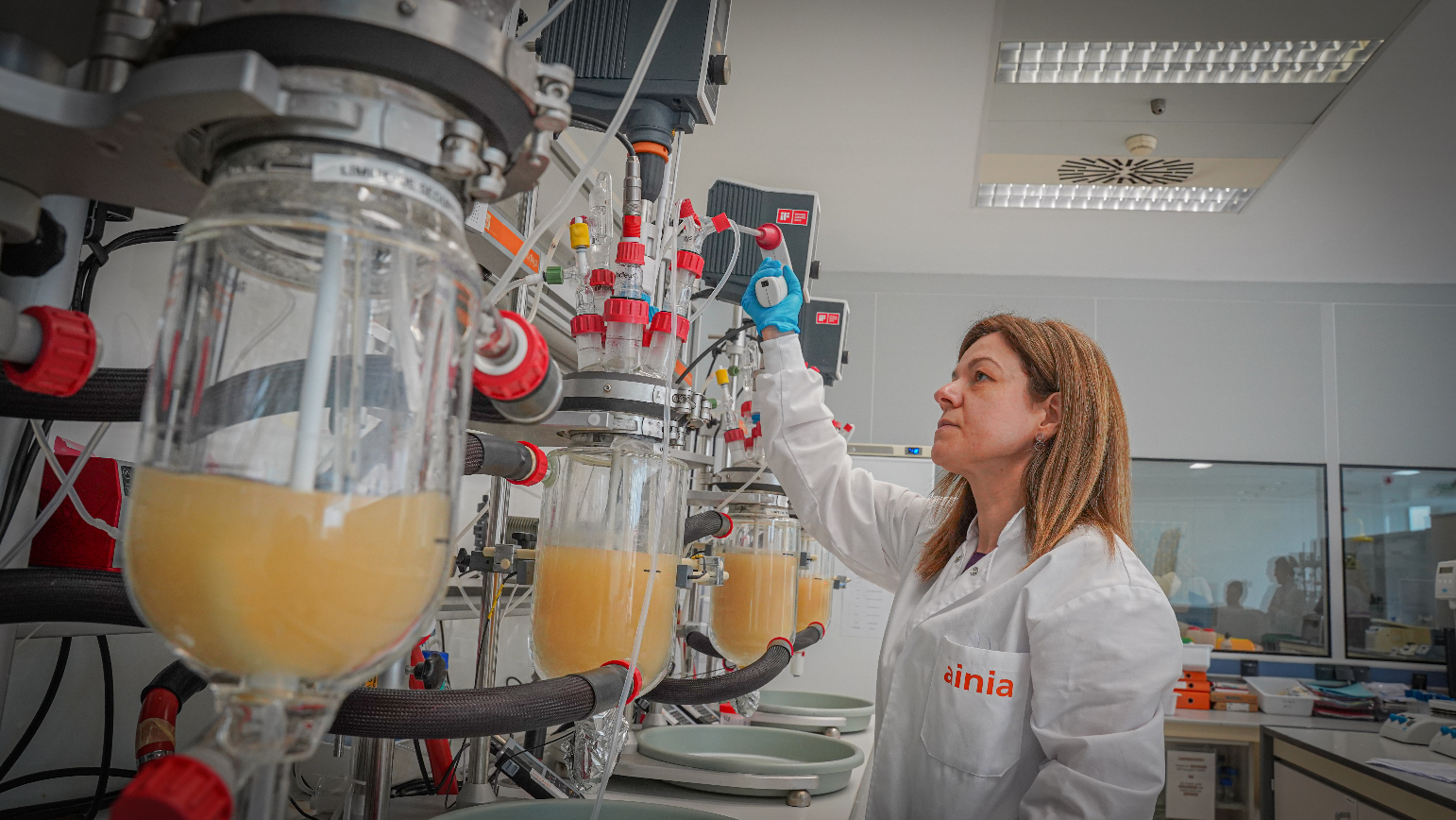
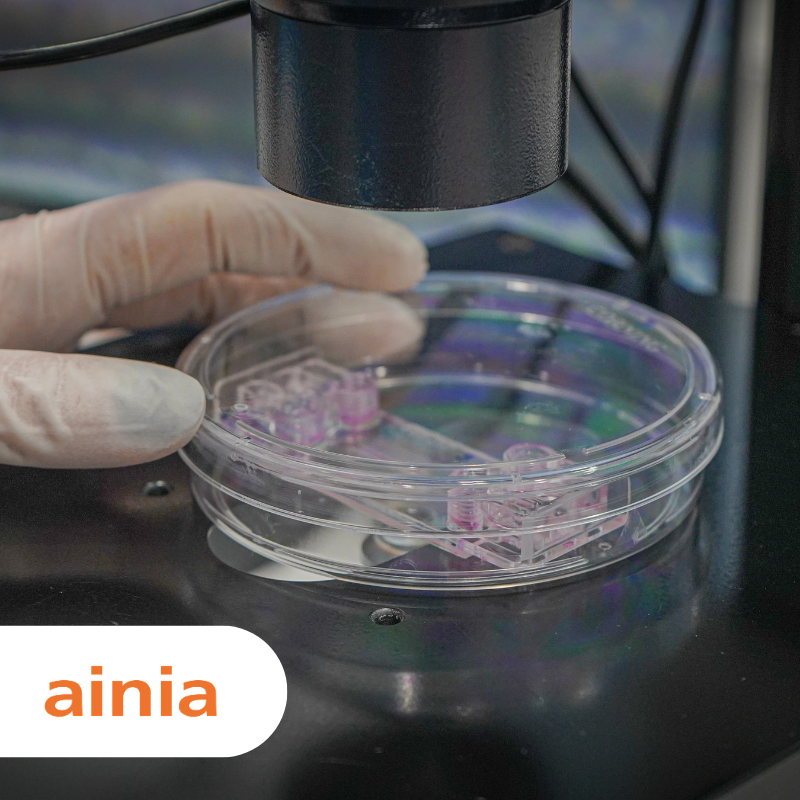
At AINIA, the LEPIV preclinical platform integrates a broad range of capabilities that support this holistic vision. These include gastrointestinal digestion and colonic fermentation models—such as ColonSim®, MiniGutSim® and NanoGutSim®—which enable the study of microbiota–substrate interactions, microbial metabolism, and the generation of bioactive metabolites relevant to the gut–skin axis at different levels of complexity and throughput. These platforms are complemented by advanced cellular models of target organs such as skin, including complex 2D and reconstructed 3D skin models, as well as emerging technologies such as 3D bioprinting and microfluidics‑based organ‑on‑chip systems. Together, these approaches allow the recreation of key structural, functional, and dynamic aspects of skin physiology under controlled and human‑relevant conditions, enabling a mechanistic link between intestinal processes, skin barrier function, inflammation, and skin reactivity.
These capabilities have been applied in publicly funded innovation projects that illustrate the potential of this approach. The MAREA I/II projects focused on the development of microencapsulation systems for targeted delivery to skin cells and their evaluation in complex 3D skin models, strengthening the ability to understand where, when, and to what extent an active ingredient acts. Such questions are particularly relevant for ingredients intended to modulate barrier function or interact with the skin microbiota, where spatial and temporal control of activity is key.
In parallel, the NEUROCOSMETICS project pursued an integrated vision of cosmetic efficacy and emotional well‑being by reinforcing capabilities in complex skin models related to stress, sensitivity, and skin perception. Built on the recognition that the skin is a highly innervated organ, the project supports the evaluation of neuro‑inflammatory and stress‑related pathways using in vitro skin‑based models. This approach is particularly relevant for cosmetic concepts associated with soothing, calming, comfort, or anti‑stress claims, where skin reactivity and perception play a central role. NEUROCOSMETICS therefore adds a functional and sensory dimension to efficacy assessment, complementing microbiota‑ and gut‑oriented strategies.
In conclusion, positioning the skin microbiota axis and the gut–skin axis as key biological targets enables a transition from category‑driven cosmetics to integrated treatments and holistic skin care approaches focused on long‑term skin health. This vision aligns with a growing scientific and market trend in which beauty is no longer defined solely by appearance, but as an expression of underlying biological balance and well‑being. Beauty from health and beauty from within are no longer aspirational concepts, but strategic directions supported by science, innovation, and advanced preclinical tools capable of translating complexity into credible, personalized solutions for skin care and skin health.
CONTACT
Mrs Lidia Tomás Cobos
Manager of In Vitro Preclinical Studies
ltomas@ainia.es