
Recognition highlights the growing impact of Organ Chip technology in reducing animal testing in biomedical and women’s health research
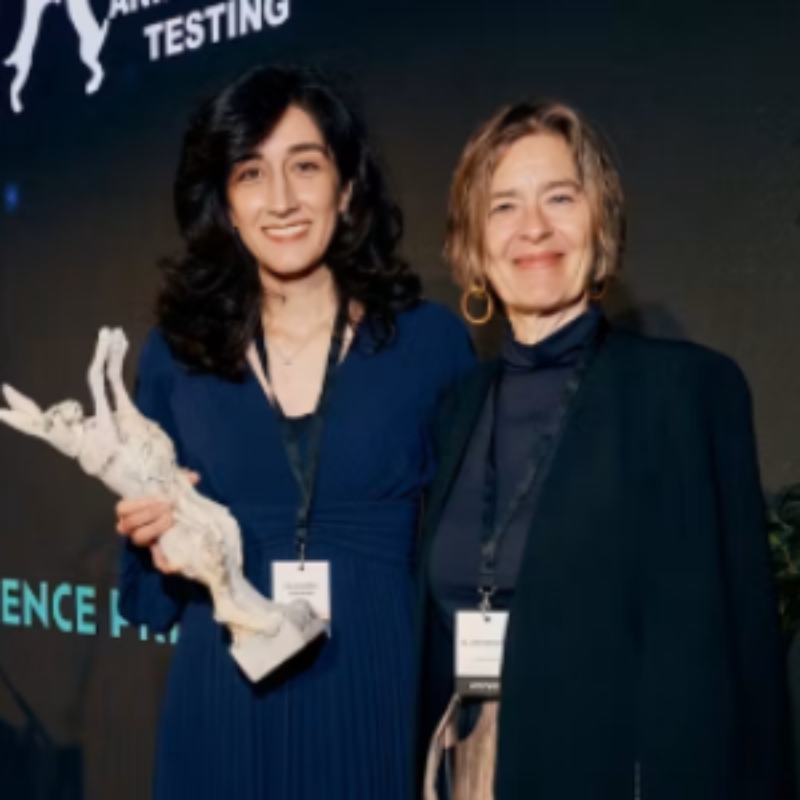
(BOSTON) — The Wyss Institute for Biologically Inspired Engineering at Harvard University is proud to announce that the Biosensing, Microfluidics, and Microsystems team, led by Wyss Senior Engineer Adama Sesay, Ph.D., together with the Female Reproductive Health team, has received the 2026 Lush Science Prize. The prize recognizes their work developing next-generation, sensor-integrated human Organ Chips to advance biomedical and women’s health research. By creating human female Organ Chips that mimic the physiology and pathophysiology of the cervix and vagina, and integrating them with cutting-edge sensor technology, the teams’ work has significant potential to reduce animal testing in biomedical research, particularly in women’s health, where animal models often lack human-relevant translational applications. Zohreh Izadifar, Ph.D., former postdoctoral fellow in the lab of Wyss Founding Director Donald Ingber, M.D., Ph.D., now an Assistant Professor at Boston Children’s Hospital and Harvard Medical School and a Research Scholar at the Wyss Institute, received the award on behalf of the teams during the Lush Prize award ceremony, held and livestreamed on May 12 in London.
Founded in 2012 by Lush Cosmetics and the Ethical Consumer Research Association, the Lush Prize recognizes groundbreaking work advancing non-animal testing methods and human-relevant biomedical research. The prize supports scientists, organizations, and advocates developing innovative alternatives to animal testing, with a particular emphasis on technologies that can improve the predictive accuracy and ethical standards of toxicology and drug development.


