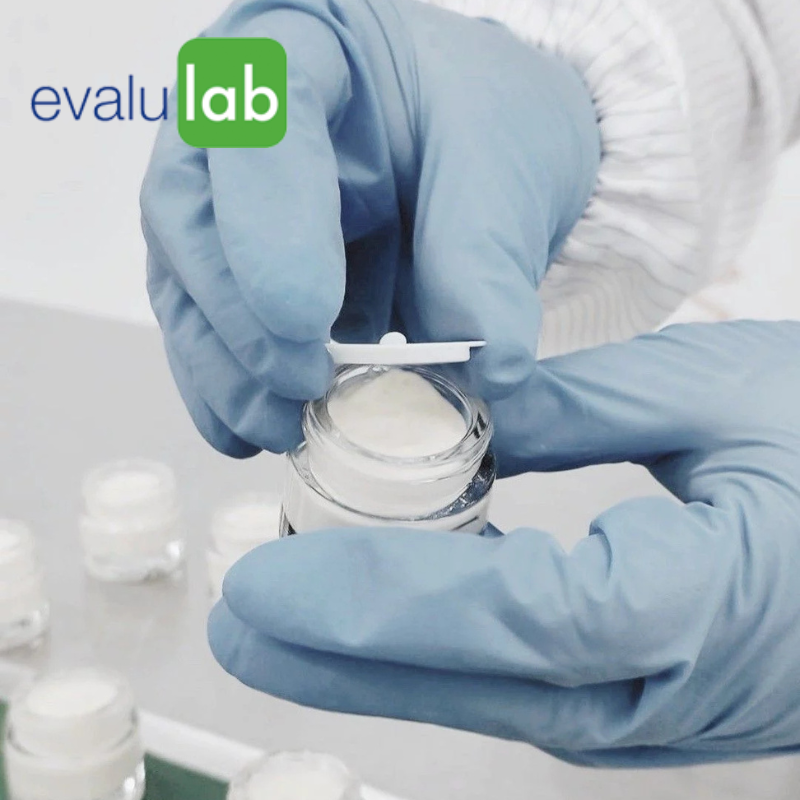
“Most labs can test your moisturizer. Evalulab tests it when winter hits −20°C and summer pushes +35°C — because your consumers are also exposed to these conditions.”
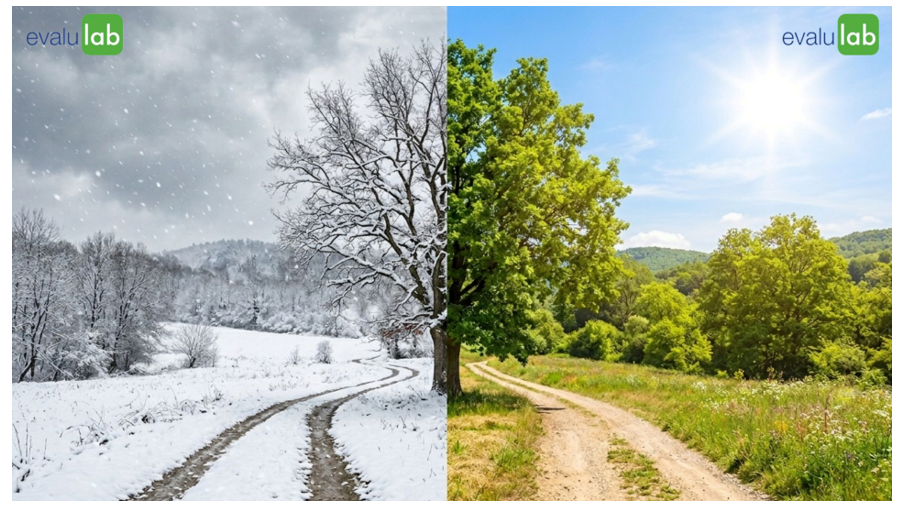
Montréal, Canada is not a typical testing location. With one of the most extreme seasonal climates of any major city in the world, it acts as a natural stress-test for skin — and for the products designed to protect it. Cold, dry winters compromise the skin barrier and drive TransEpidermal Water Loss (TEWL) to its limits. Hot, humid summers shift sebum production and alter how occlusive formulas perform.
Testing on a Montréal panel means your product will have already been challenged by conditions your consumer actually faces.
Add to that a truly multicultural population — one of the most ethnically diverse in North America—and Evalulab’s participant panel reflects a variety of skin types, phototypes, and skin conditions that few contract research organizations (CROs) worldwide can match.
Establishing a credible hydration or barrier claim requires more than one number. Here is what a complete, defensible dossier looks like in practice:
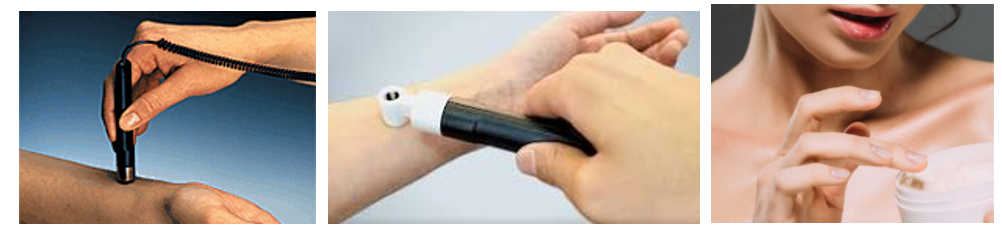
Corneometry measures water content in the outermost skin layer (stratum corneum) using capacitance. It is the reference method for moisturizing claims. Typical timepoints: immediately post-application, then at 2h, 8h, and 24h.
TEWL or TransEpidermal Water Loss measures how much water passively escapes through the skin per hour (g/m²/h). A product that reduces TEWL is demonstrating barrier reinforcement, not just surface hydration. This is the critical distinction between “moisturizes” and “repairs the skin barrier” — two claims that require two different datasets.
Skin surface imaging captures what instruments cannot: visible improvement in texture, flakiness, and fine lines of dehydration. Digital photography adds the visual evidence that translates data into consumer communication.
Subjective self-assessment closes the loop. Biophysical data tells the regulator; validated consumer questionnaires tell the brand team — and ultimately the targeted consumer.
For anti-aging, firmness, radiance, sebum control, or sensitive-skin tolerance claims, additional endpoints (cutometry, colorimetry, sebumetry, patch testing) are layered in using the same logic: the claim defines the endpoint, never the other way around.
What 25 Years Has Actually Taught Us.
Protocol design is where studies are won or lost — long before the first volunteer walks in. At Evalulab, every study begins with one question: what exactly do you need to prove, for whom, and by when? From that answer flows the right panel, the right timepoints, the right statistics, and the right scope for your budget.
Our clients, in North America and internationally, trust us because we have a perfect command of both languages: the scientific rigor of European regulatory standards and the commercial pragmatism of North American product development.
ISO 9001 certified. GCP-trained team. Zero missed deadlines.
Starting a new formulation? Contact us early — the best studies are designed before the formula is locked.
Ready to design your study?
Contact Nathalie Harvey, Technical Sales Representative at +1 514-735-3253 nharvey@evalulab.com
Evalulab Inc. — Montréal, Canada | Founded 2001www.evalulab.com