By Roxanne Khamsi
Science is full of happy little accidents, as Anthony St Leger and his research team have learnt. They were trying to study the microorganisms that live on the surfaces of the eyes of mice, but were having trouble getting the bacteria to grow in the laboratory. Then, there was a moment of serendipity. “We were culturing bacteria and we forgot a plate in a chamber,” explains St Leger, an ocular immunologist at the University of Pittsburgh in Pennsylvania.
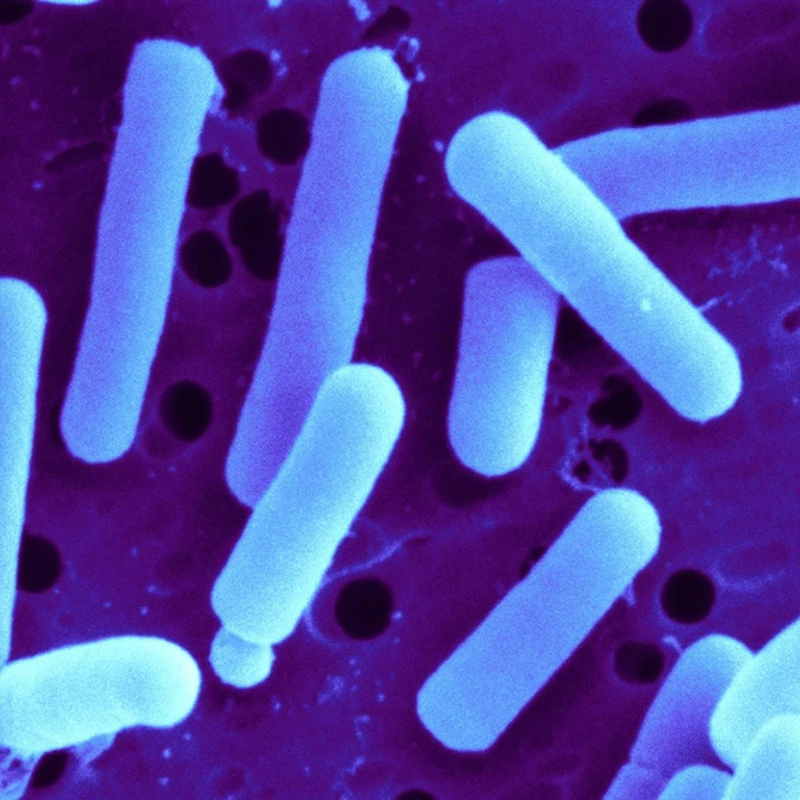
When the team discovered the plate a week later, the researchers found that a bacterium was growing on it. Initially, St Leger thought that the plate had been contaminated. But his team repeated the scenario from scratch, this time allowing the microbes to multiply for a week. Once again, the bacterium of interest — Corynebacterium mastitidis — grew.
The bacterium was simply slow-growing and needed more time to multiply. “I say that my whole research programme hinges on that one forgotten plate,” St Leger jokes.
For many years, the eyes were thought to be sterile. But dogged attempts to grow bacteria from tiny samples from around ocular surfaces — and advances in genetic sequencing that can deliver readouts of microbial DNA or RNA without the need to grow the organisms in dishes first — have shown that the eye has its own microbiome.