📅 October 29 — 4:00 PM (CET)
Free registration:
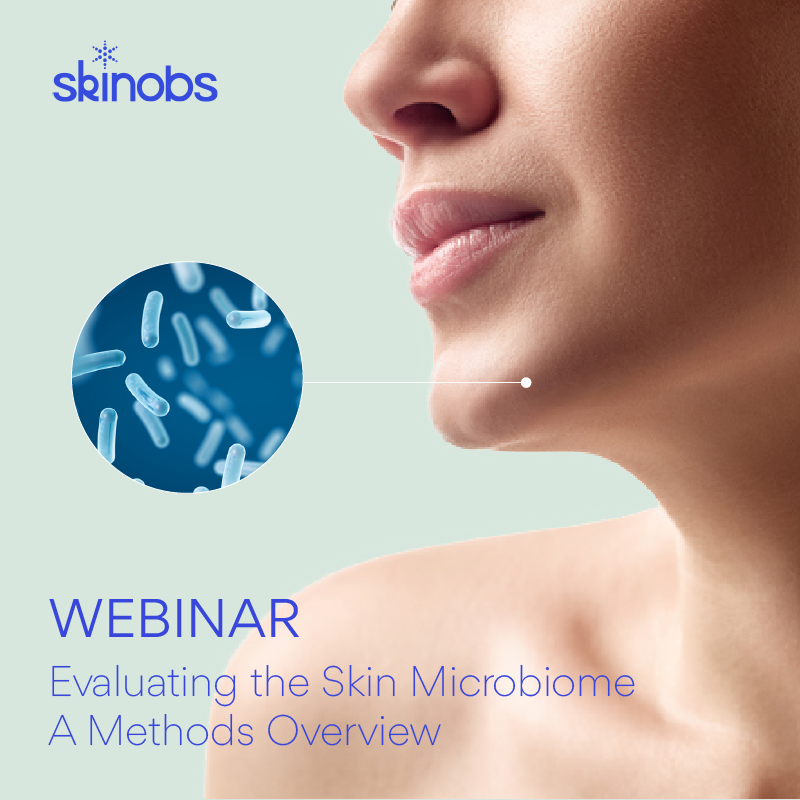
The skin microbiome has emerged as one of the most dynamic areas of cosmetic R&D. The ecosystem of bacteria, fungi and microorganisms living on the skin surface is now recognized as a key factor in skin balance, tolerance and resilience and brands are racing to respond. Claims such as “microbiome-friendly”, “microbiome safe” and “respect microbiome” are among the fastest-growing in the industry, driven by three main axes: rebalancing through prebiotics and probiotics, probiotic-like actives, and antimicrobial approaches.
This momentum is reshaping how R&D teams think about formulation and, consequently, how they approach testing. Evaluating the impact of a cosmetic product on the skin microbiome requires specific methodologies that go far beyond traditional efficacy testing. Yet the landscape of available solutions remains complex and fragmented, making it difficult for formulators to identify the right approach for their claims and regulatory context.
To go further, Skinobs is hosting a live webinar on October 29, bringing together experts to explore the evaluation solutions available today:
- In vitro and ex vivo models for microbiome assessment
- Clinical protocols to measure the impact of cosmetic formulas on skin flora
- Sequencing and metagenomic approaches in cosmetic testing
- Criteria for selecting the right evaluation method for your formulation goals
Whether you are building your first microbiome testing strategy or looking to strengthen an existing one, this session will give you a clear and actionable overview of what exists and how to source it.
Les speakers :

Anne Charpentier
CEO & Founder· Skinobs
“Microbiome-friendly” and “respects the microbiome” are among the fastest-growing cosmetic claims. Yet the evaluation landscape remains fragmented: which method for which claim, and with what level of evidence?
This webinar reviews the approaches available: in vitro and ex vivo models, clinical protocols measuring a formula’s impact on skin flora, and sequencing and metagenomic methods. It also presents criteria for choosing an evaluation method aligned with your formulation objectives and regulatory requirements.
Whether you are building your first microbiome testing strategy or strengthening existing protocols, you will leave with a practical framework for choosing and scoping your studies.

Téo Fournier
Ph.D. ; Business Unit Director, Genomic Solutions & Services · Genoscreen

In vivo studies and metagenomics: building stronger evidence for skin microbiome claims
Microbiome claims are multiplying in dermocosmetics, but their strength depends on the level of evidence behind them. While in vitro and ex vivo models are valuable for screening actives, only real skin, under real-life conditions, can demonstrate their impact on the microbiome. We will show how combining in vivo studies with metagenomics approaches (metabarcoding, shotgun metagenomics and qPCR) supports every stage of a product’s life: for ingredient suppliers, demonstrating an active’s mode of action in vivo; for brands, substantiating finished-product claims; and for all, building consumer trust through robust scientific evidence. A case study will illustrate the approach.
Téo Fournier holds a PhD in population genomics from the University of Strasbourg (2019). He joined GenoScreen, a Lille-based microbial genomics company, six years ago as Operations Manager and now heads its Genomic Solutions & Services Business Unit, a multidisciplinary team bringing together lab, bioinformatics, sales and marketing experts. The team supports dermocosmetic companies in skin microbiome studies, from study design to data interpretation.