By Helena Polena, Sylwia Czaińska, Benoît Cadars, Ewa Chlebus, Monika Serafin, Waranya Boonchai, Pichanee Chaweekulrat, Silada Kanokrungsee, Marlène Chavagnac-Bonneville, Christelle Graizeau, Michèle Sayag, Elodie Prestat-Marquis
Abstract
Objective
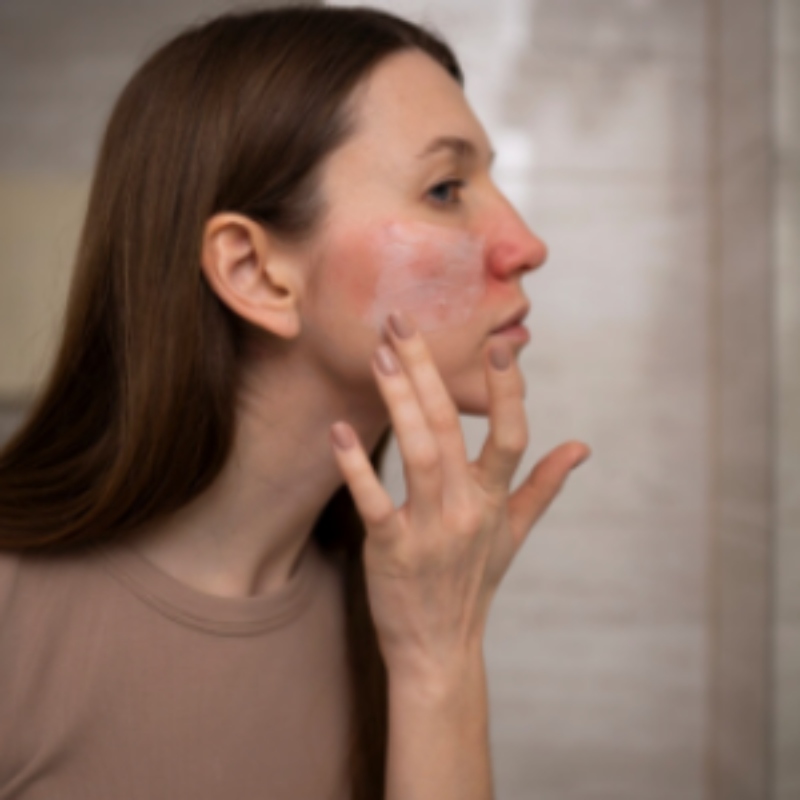
Sensitive skin syndrome (SSS) affects individuals from all ethnic groups. However, studies across different populations remain limited, despite recognised differences between populations. Thus, we examined SSS in Thai and Polish subjects, assessing the tolerance and efficacy of a dermo-cosmetic product in both populations.
Methods
Thai participants were involved in a 28-day open-label study, while Polish subjects took part in a 56-day double-blind, randomised study comparing the product with a control cream. Clinical and functional signs were evaluated, alongside quality of life (QoL) using the Burden of Sensitive Skin (BoSS) questionnaire.
Results
The product was well tolerated in both groups over time, leading to significant improvements in all clinical and functional signs (p < 0.05 to p < 0.001) and enhancing QoL (p < 0.005 in Thailand; p < 0.001 in Poland). At baseline, Polish subjects exhibited greater redness and higher BoSS scores to questions relating to visual signs (p < 0.001). Conversely, Thai participants reported more pronounced tingling, pain and itching, along with higher BoSS scores relating to sensory symptoms (p < 0.001).
Conclusions
The study highlights differences existing in the perception of SSS symptoms between a Thai and Polish population and demonstrates that the dermo-cosmetic cream effectively alleviates SSS symptoms and improves QoL in both ethnic groups.