The Skin Microbiome: A Central Parameter in Modern Cosmetic Development
In recent years, the skin microbiome has evolved from a purely scientific research topic into a central evaluation parameter in cosmetic product development. As an integral part of the skin barrier, it influences skin health, immune responses, and the tolerability of cosmetic and dermatological products. This growing understanding has increased the demands on testing strategies: modern studies must go beyond traditional safety and compatibility assessments and carefully evaluate how formulations affect the microbiome. Dermatest takes an integrative approach, combining microbiological analyses with skin physiological measurements to assess changes in the microbiome in a clinical context, providing robust and meaningful insights into product safety, tolerability, and efficacy.
Understanding Microbiome Diversity
The skin microbiome is highly diverse and varies depending on skin area, physiological conditions, life stage, and skin health. Sebum-rich, dry, and moist areas each form distinct microbial ecosystems, while specialized regions such as the scalp, oral cavity, or vaginal microbiome have their own functional requirements. Infant skin differs significantly from adult skin in structure and stability, responding particularly sensitively to external influences. In conditions such as acne or atopic dermatitis, characteristic shifts in microbial balance are often observed, frequently accompanied by impaired barrier function and increased sensitivity. For the cosmetics industry, this highlights that products cannot be universally effective; instead, formulations must be specifically tailored to skin areas, target groups, and intended applications. Evaluating the impact of cosmetic products on the microbiome is essential to prevent dysbiosis and support the skin barrier sustainably.
Integrated Study Designs at Dermatest
Dermatest conducts microbiome studies within integrated testing concepts under dermatological supervision and, depending on the product application, with optional gynecological, dental, or pediatric expertise. Carefully selected participants and clearly defined inclusion criteria ensure that studies accurately reflect the intended user group and real-world usage scenarios. The combination of microbiological analyses with clinical and skin physiological assessments delivers meaningful, practice-relevant results that can be used both for regulatory evaluation and for scientifically validated product communication.
Microbiome Analysis Meets Skin Physiology
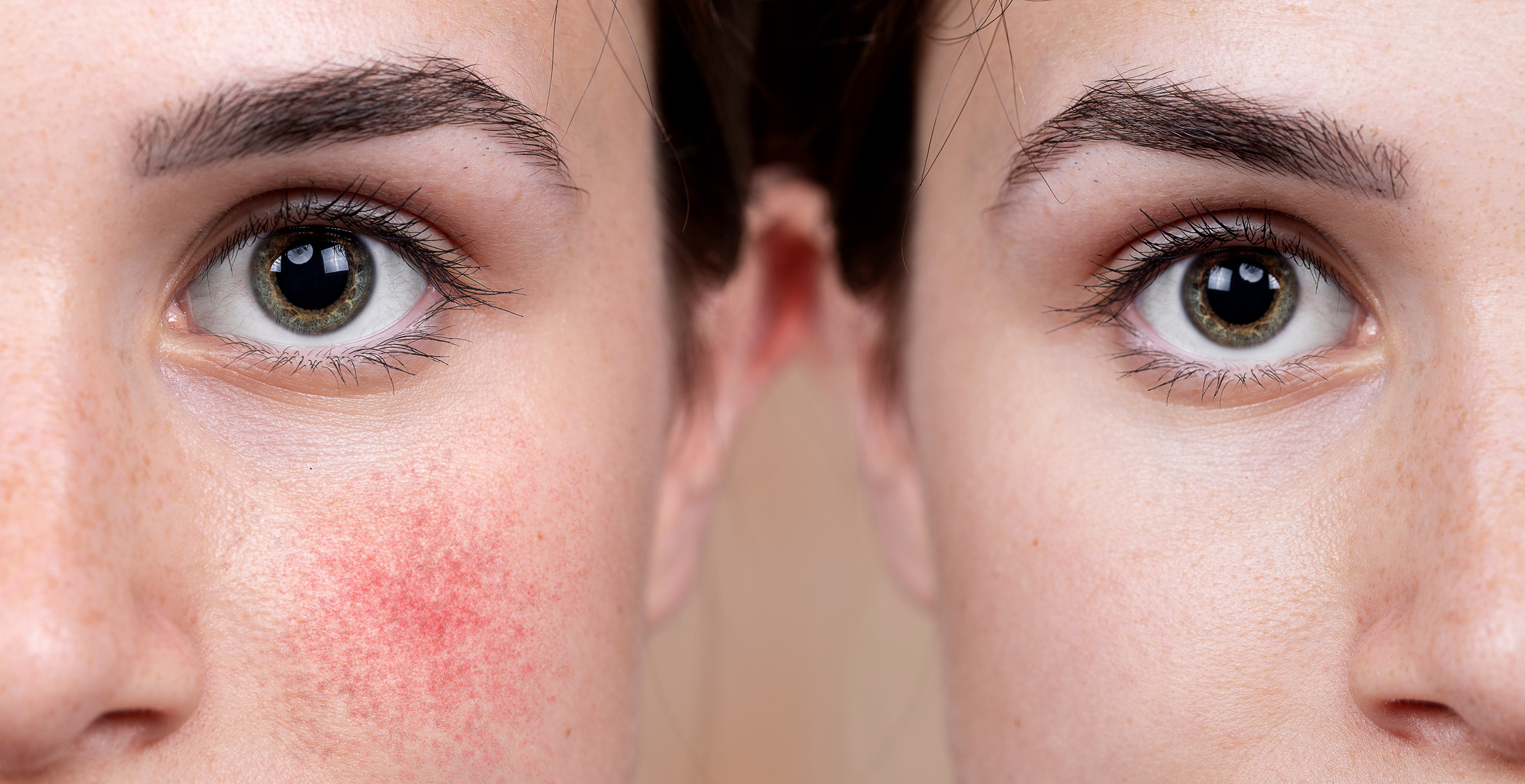
Microbiome data is most valuable when interpreted alongside skin physiological parameters, such as hydration, transepidermal water loss, pH value, redness, or visible changes like acne, eczema, or dandruff. Oral parameters, including gingival or plaque indices, can also be incorporated when relevant and combined with oral microbiome analyses. This integrated approach allows microbiome changes to be reliably interpreted in relation to skin and mucosal function, tolerability, and product efficacy. For manufacturers, this creates a clear added value: microbiological findings are supported by skin physiological data, making studies scientifically robust, regulatory-compliant, and stronger for substantiating product claims.
Dermatest Advanced Microbiome Testing with Bio-Me´s Precision Microbiome Profiling (PMP™)

Dermatest partners with the microbiome experts at Bio-Me to deliver next-generation microbiome testing solutions for skincare and intimate care product development.
Microbiome analysis of skin samples is challenging due to low bacterial biomass and high host DNA background, which can limit sensitivity, reproducibility, and cost-efficiency of conventional shotgun metagenomics. Through Bio-Me’s Precision Microbiome Profiling (PMP™) platform, Dermatest enables highly sensitive, species-level profiling of more than 50 key bacterial and fungal skin microbes — without these limitations.
Unlike conventional approaches based on relative abundances, PMP™ provides absolute bacterial load measurements by reporting genome equivalents per species. This eliminates misleading compositional effects and allows a more reliable assessment of true biological changes, supporting robust and meaningful product claims.
Beyond skin, Dermatest also offers microbiome testing for the female intimate region using PMP™, enabling rapid, precise, and quantitative analysis of bacterial and fungal species. This solution is ideally suited for evaluating products such as cleansers, wipes, pantyliners, and odor-control formulations.
Supported by advanced statistical analysis, Dermatest can reliably identify and characterize product- or intervention-driven microbiome effects.
Strong Claims and Reliable Seals
Products that demonstrate excellent tolerability, are microbiome-friendly, and whose efficacy is confirmed in studies can earn Dermatest’s Microbiome-Friendly and 5-Star seals. Integrated study designs also provide a solid basis for additional claims, such as supporting the skin barrier, reducing irritation, improving overall skin condition, or being suitable for sensitive skin. By combining microbiological data with clinical and physiological evidence, manufacturers gain a scientifically validated basis for marketing and product claims. At the same time, B2B partners and end consumers receive clear guidance, transparency, and confidence in product quality, safety, and effectiveness.
CONTACT
Dr. Claudia Hömme – Senior Study Manager Safety-in-use & Efficacy Testing
Dr.Hoemme@dermatest.com