
By Mieke Meintjes
Beauty brands are racing to roll out AI-powered advisors and marketing tools to personalize the consumer journey, but experts warn the same technology could blur the line between aspirational beauty and deception. As AI use becomes more entrenched in consumer-facing materials, brands are presented with fresh questions about privacy, trust, and false advertising.
According to Ceren Canal Aruoba, managing director of consulting firm BRG, the beauty industry is already under scrutiny for exaggerated product claims and promoting unrealistic beauty standards.
With AI-generated visuals increasingly used across marketing channels, and AI-generated product recommendations becoming standards in many shopping journeys, she says that beauty brands face a heightened risk if the materials create expectations that products cannot meet.
“From a litigation and compliance perspective, beauty is often viewed as a category where increased use of AI in marketing can have meaningful implications for long‑term brand trust and credibility,” Canal Aruoba tells Personal Care Insights.
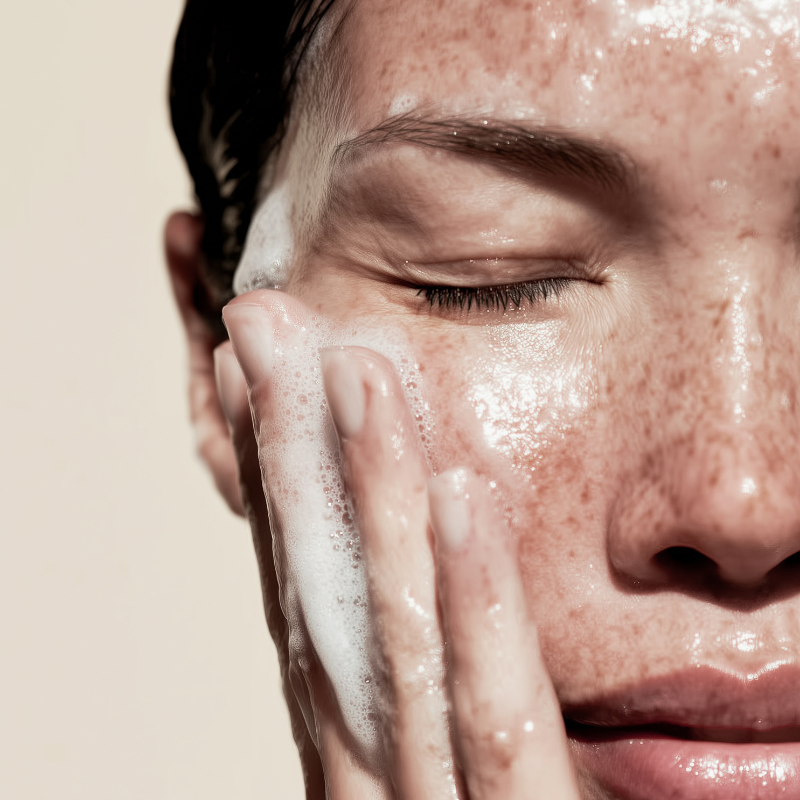
“AI-altered images may influence how consumers perceive product performance — such as smoother skin, fewer wrinkles, or more dramatic cosmetic effects — and, in some cases, may blur the line between what is visually compelling and what is realistically achievable with the product.”
She explains that, when AI-generated visuals suggest outcomes that consumers may not reasonably attain, potential legal concerns around deception, misleading advertising, and unsupported consumer takeaways can arise.